Why Older Hotels Often Face More Property Challenges Than Owners Expect
Older hotels, guest houses and large period properties can be beautiful places to own and operate. Mature gardens, original architecture and established character often appeal strongly to guests looking for something more personal than a modern chain hotel.
However, older hospitality properties can also come with ongoing maintenance demands that are easy to underestimate at first.
Many buildings were constructed long before modern drainage systems, insulation standards, electrical requirements and landscaping practices became common. As a result, owners sometimes discover problems gradually over time rather than all at once.
Some issues are relatively minor and manageable. Others can become expensive, disruptive or difficult to resolve if left unchecked.
Large gardens and mature grounds can create hidden risks
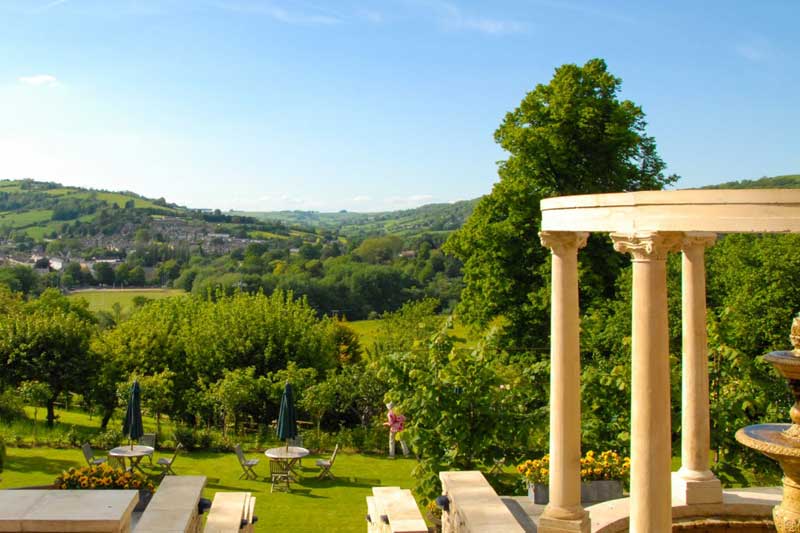
Many older hotels sit within established gardens or landscaped grounds that may have developed over decades.
While mature planting can add charm and privacy, overgrown areas sometimes hide maintenance problems that are not immediately visible during routine day-to-day operations.
Common examples include:
- blocked drains hidden by vegetation
- retaining wall movement
- tree root pressure near paths or foundations
- collapsed garden structures
- damaged fencing
- water pooling around buildings
- unmaintained outbuildings
- invasive plant growth
In some cases, older grounds have changed ownership several times, and historic landscaping decisions may no longer be fully understood by current owners.
Plants introduced many years earlier can become difficult to manage once they establish themselves fully.
Japanese knotweed can become a serious concern around hospitality properties
One issue that occasionally affects older hotels and guest houses is Japanese knotweed.
The plant is capable of spreading through underground rhizomes and may remain unnoticed for long periods in neglected corners of grounds, behind outbuildings, beside streams, near rear boundaries or along unused access areas.
Once established, knotweed can become difficult to control without a proper treatment strategy.
Potential concerns for hotel and guest house owners may include:
- damage to landscaped areas
- guest concerns about overgrown grounds
- future property sale complications
- survey and lender concerns
- disruption during treatment works
- spread into neighbouring land
- contaminated soil movement during building work
Not every case becomes severe, and many affected properties are managed successfully with professional treatment plans. However, early identification is usually important.
The difficulty is that knotweed is often mistaken for other plants, especially in larger gardens where routine inspection may be limited.
Properties with riversides, railway boundaries, steep banks, unmanaged rear land or older landscaping sometimes face increased risk simply because the plant can spread gradually over long periods before anybody notices.
Older hotel buildings often require continuous maintenance
Even where no major structural defects exist, older hospitality buildings often need regular ongoing attention.
Common issues can include:
- ageing roofing materials
- outdated wiring
- heating inefficiency
- plumbing leaks
- poor insulation
- single glazing
- damp penetration
- drainage problems
- movement in older walls
- timber decay
Many of these problems develop slowly and may only become obvious after periods of heavy rain, freezing weather or increased occupancy.
Because hotels often operate continuously, maintenance work may also need to be carried out carefully to minimise disruption to guests.
This can make repairs more complicated and expensive than similar work on ordinary residential properties.
Property sales and refinancing can become more complicated
When older hotels are sold, refinanced or redeveloped, surveyors and lenders may look closely at the condition of the building and surrounding grounds.
Issues such as invasive plants, drainage concerns, structural movement or unmanaged land can sometimes raise additional questions during the process.
In the case of Japanese knotweed, lenders and buyers may want evidence that the issue is being professionally managed.
That does not automatically prevent a sale, but unresolved problems can sometimes slow negotiations or reduce buyer confidence.
Owners planning future redevelopment, extensions or landscaping work may also need to consider whether contaminated soil or underground rhizomes could affect construction activity.
Regular inspection and early action usually make problems easier to manage
Older hotels and guest houses rarely remain maintenance-free for long periods. Buildings and grounds naturally change over time, especially where mature landscaping and older construction methods are involved.
Regular inspection of less frequently used areas can help identify developing problems before they become significantly more expensive.
This may include:
- checking rear boundaries and overgrown areas
- monitoring drainage performance
- inspecting retaining walls and paths
- reviewing vegetation growth annually
- looking for signs of damp or movement
- keeping maintenance records
Where unusual plant growth appears, professional identification may help avoid unnecessary disruption or accidental spread.
Older hospitality properties can remain highly desirable and successful businesses for many years, but they often benefit from careful long-term management rather than reactive repairs alone.
Further information
You can read more about invasive plant identification and property-related knotweed issues at the following resources: